

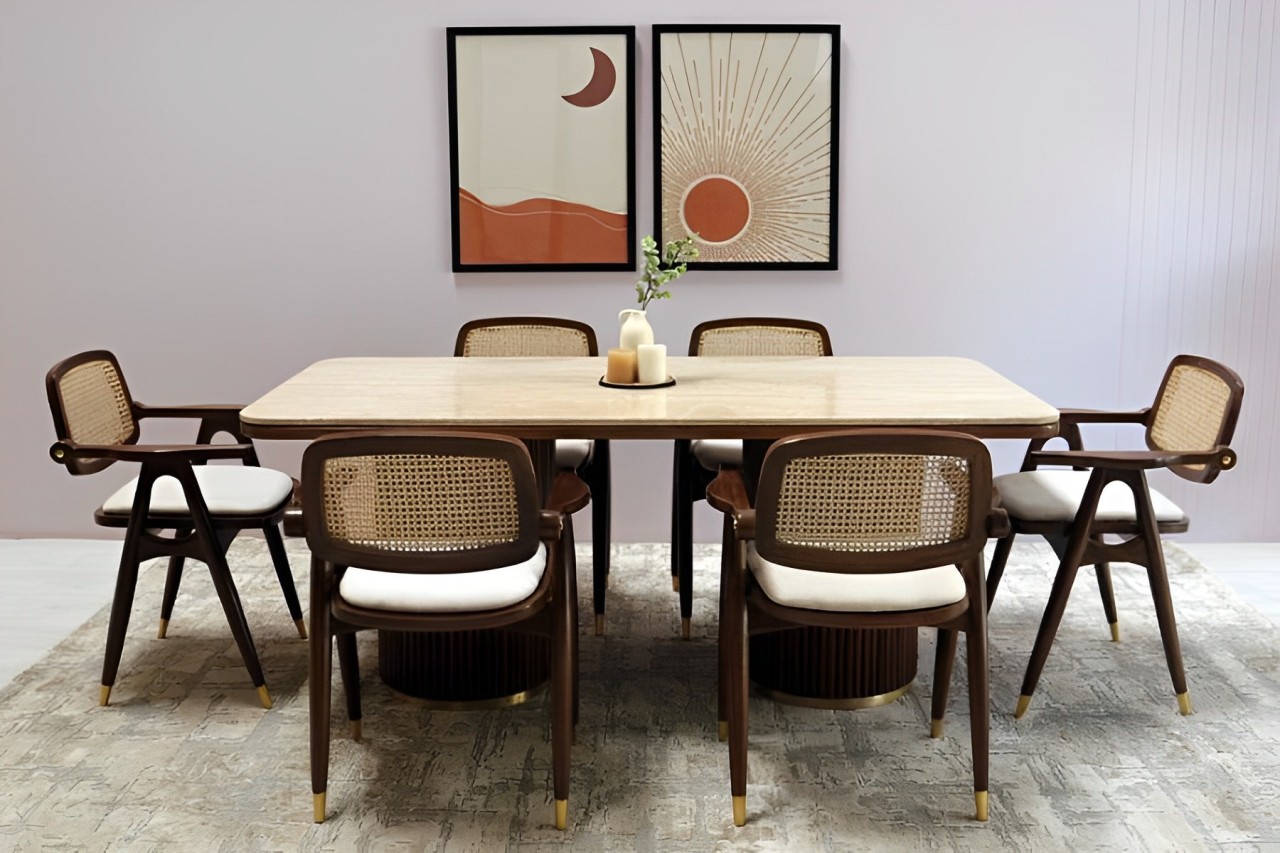
The dining room is a special place in every home where families gather to share meals and create memories. In Vastu Shastra, the ancient Indian science of architecture and space arrangement, the dining room is considered a vital area that influences health, prosperity, and harmony in the household. By incorporating Vastu principles, you can create a dining space that fosters positive energy, well-being, and good fortune. Here are some essential Vastu tips from 4Sight Decor to help you design a dining room that’s both harmonious and welcoming.
1. Optimal Location of the Dining Room
- Ideally, the dining room should be located in the West, South, or East direction of the house. The West is particularly auspicious, as it is believed to enhance family bonding and strengthen relationships.
- If the West isn’t feasible, consider the North-East as an alternative, as it attracts positive energy. Try to avoid locating the dining room in the South-West direction, as this is considered less favorable for harmonious family gatherings.
2. Dining Table Shape and Material
- Rectangular or square tables are most auspicious in Vastu Shastra, symbolizing stability and balance. Round or oval tables are less ideal, as they are believed to disrupt the flow of energy.
- For the material, wooden tables are recommended because wood is considered a natural, grounding material that promotes harmony and comfort. Avoid metal or glass dining tables, as they may create a colder, less inviting atmosphere.
3. Seating Arrangement and Family Harmony
- Vastu encourages family members to sit facing the East, North, or West while eating. The head of the family should ideally sit facing East, which promotes positivity and prosperity.
- Seating arrangements should ensure that everyone has a view of each other, creating a welcoming, inclusive atmosphere. Avoid placing chairs in such a way that family members face South, as it is considered less beneficial.
4. Color Palette for Dining Room Walls
- Colors have a significant impact on mood and energy in Vastu Shastra. Opt for soothing colors like light green, cream, beige, or pastel shades in the dining room. These colors create a calm and welcoming atmosphere, encouraging good digestion and positive conversations.
- Avoid using dark colors like deep reds or blacks in this space, as they can create a heavy, tense atmosphere. Instead, choose colors that make the room feel open and inviting.
5. Placement of the Dining Table
- The dining table should not be positioned directly under a beam or against a wall, as it is believed to create stress and disrupt harmony. If there is a beam overhead, consider placing a false ceiling or decorative panel to neutralize its effects.
- Ensure there is enough space around the table for people to move freely, symbolizing an easy flow of energy and promoting good relationships among family members.
6. Mirror Placement for Prosperity
- Placing a mirror on the North or East wall of the dining room is considered highly auspicious, as mirrors symbolize abundance and can visually “double” the food on the table, attracting prosperity.
- Ensure the mirror reflects the dining table directly, as this is believed to attract wealth and positive energy. Avoid placing mirrors on the South wall, as it is less beneficial according to Vastu principles.
7. Lighting and Ambience
- Good lighting is essential for a positive dining experience. Natural light from windows is ideal, as it brings warmth and positive energy to the space. Ensure that the dining room is well-lit, even after sunset.
- Install soft, warm-toned lights, such as pendant lights or chandeliers, above the dining table. These not only add elegance but also create a cozy, comfortable ambiance that encourages longer and more enjoyable meals together.
8. Avoid Sharp Objects and Clutter
- According to Vastu, clutter represents stagnant energy, which can affect both health and prosperity. Keep the dining room tidy and organized, storing utensils, tableware, and other items in dedicated cabinets or shelves.
- Avoid displaying sharp objects like knives on the table, as they are believed to create tension and disrupt harmony in the room. Instead, consider incorporating fresh flowers or decorative items that symbolize joy and positivity.
9. Placement of Crockery and Storage Units
- Storage units, such as crockery cabinets, should ideally be placed in the South or West direction of the dining room. This positioning is said to help retain positive energy and maintain balance in the room.
- If possible, use cabinets made of wood, as they complement the natural, harmonious energy of the dining area. Avoid metal storage units, as they may clash with the warm, inviting energy that Vastu recommends for this space.
10. Use of Art and Decor
- Vastu encourages decorating the dining room with art or photographs that depict happy, cheerful scenes, like family gatherings or images of abundance. These images attract positive energy and reinforce the joy of shared meals.
- Avoid artwork or decor that depicts loneliness, sadness, or violence, as these can bring in negative energy. Green plants or fresh flowers on the dining table are also considered auspicious, symbolizing growth and vitality.
Final Thoughts
The dining room is more than just a place to eat—it’s a space where memories are made and bonds are strengthened. By following these Vastu tips, you can create a dining room that promotes health, happiness, and prosperity for your family. From the choice of colors and furniture placement to the type of table and decor, each element has the power to influence the room’s energy, making mealtimes more enjoyable and harmonious.
At 4Sight Decor, we understand the importance of Vastu in Indian homes, and our range of furniture and decor is thoughtfully curated to complement these principles. With the right Vastu adjustments, your dining room can become a source of positivity, fostering well-being and unity for everyone who gathers around the table.